
























Composite vs uPVC Doors: Which Should You Choose?
When considering a new door for your home, you’re likely faced with the choice between composite and uPVC doors. Both types are popular in the UK, but they cater to different needs and preferences. At Coral Windows, we offer a wide range of both composite and uPVC doors, perfectly designed to enhance your home’s security, efficiency, and aesthetic appeal. Here, we break down the key differences to help you make an informed decision.

Durability and Security
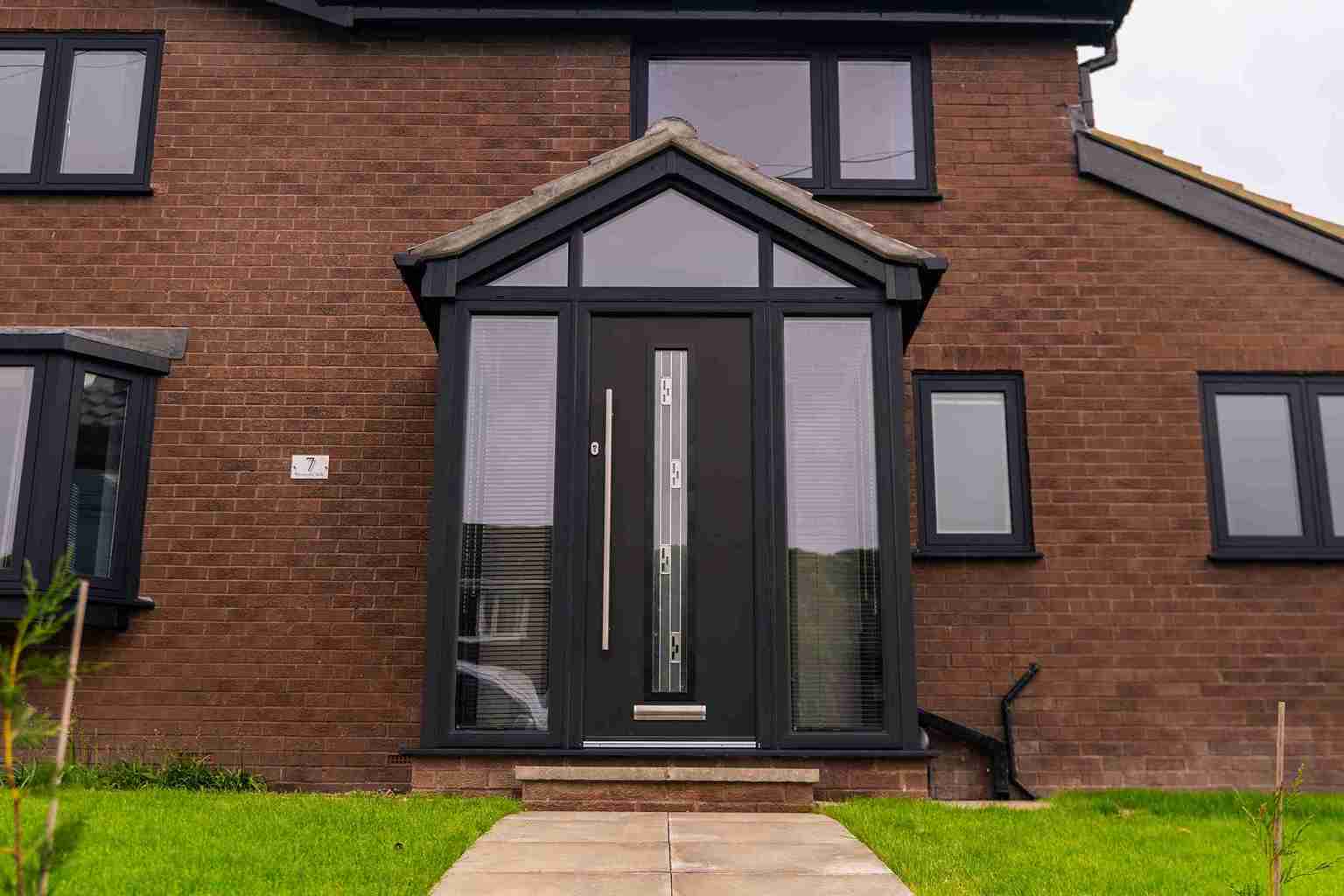
Composite doors are renowned for their robustness and durability. Made from a combination of materials including uPVC, wood, insulating foam, and GRP (glass-reinforced plastic), composite doors are designed to withstand harsh weather conditions and resist wear and tear. The thick and solid construction of composite doors makes them exceptionally secure, which is a crucial aspect to consider for the safety of your home.
On the other hand, uPVC doors are predominantly made from plastic, which is still a sturdy material but does not offer the same level of security as composite doors. However, advances in technology mean that high-quality uPVC doors are also very secure and can include features like multi-point locking systems.
Energy Efficiency
Both door types excel in energy efficiency. Composite doors have a slight edge due to their dense core, which provides excellent insulation. This means they are particularly good at preventing heat loss, helping to keep your home warm and your energy bills low during the cooler months.
uPVC doors also provide strong insulation and are equipped with effective sealing and glazing options. While they may not be as insulative as composite doors, they are still a very energy-efficient choice and suitable for many homes in the UK.
Maintenance
One of the clear advantages of uPVC doors is their low maintenance. They are easy to care for and do not require regular painting or varnishing. Simply wiping them down with soapy water is usually enough to keep them looking fresh and new.
Composite doors are also relatively low maintenance but may require a little more attention than uPVC doors to maintain their appearance over time. They may benefit from occasional touch-ups to the finish to keep them looking their best.
Aesthetic and Design
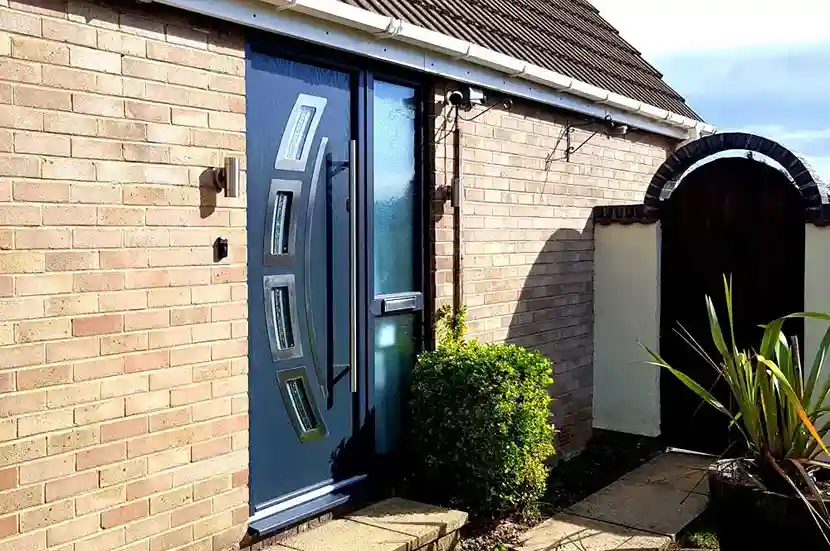
Composite doors are highly customisable and available in a wide range of styles, colours, and finishes. They can easily mimic the appearance of traditional wooden doors, making them ideal for both modern and classic homes.
uPVC doors generally have a more modern look and are available in less variety than composite doors. However, they still offer a range of finish and colour options and can be a cost-effective way to update the look of your home without compromising on style.
Cost
uPVC doors are usually more cost-effective than composite doors due to the materials used and the manufacturing process. If budget is a major consideration, uPVC doors may be the more appealing option.
Composite doors, while generally more expensive, are a worthwhile investment if you are looking for a door that offers enhanced security, durability, and energy efficiency, along with a higher degree of customisation.
Upgrade Your Doors with Coral
Ultimately, the choice between a composite and a uPVC door will depend on your specific needs, preferences, and budget. If security and durability are your top priorities, a composite door might be the best choice. However, if you are looking for a cost-effective, low-maintenance option, uPVC doors are an excellent choice.
At Coral Windows, we are always here to help you find the perfect door for your home. Whether you decide on a composite or a uPVC door, you can be assured of the highest quality. Get in touch with us to learn more about our range of doors. Get a free quote and upgrade your doors today.
Author

Categories: Uncategorised